

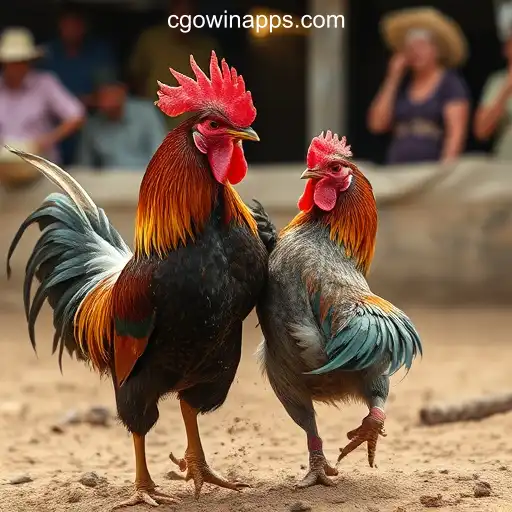
Cockfighting: An In-Depth Exploration of a Controversial Tradition
The practice of cockfighting has deep cultural roots stretching back thousands of years. As one of the oldest spectator sports known to mankind, it combines elements of animal combat, tradition, and observed spectacle. Over time, this controversial activity has transitioned from ancient ritual to modern-day pastime, with significant changes in context and perception.
Historical Background
Cockfighting dates back around 6,000 years, with early evidence pointing to Southeast Asia. Known originally as "cock-a-doodle duel," this sport spread throughout the world via trade routes, becoming particularly prominent in regions such as South America and Southern Europe. In Greece and Rome, cockfighting was not only popular entertainment but also perceived as a way to instill valor and courage in young men.
These early cockfights had religious undertones, signifying ritual sacrifice and seasonal rites. As time progressed, the pastime evolved, shedding some of its religious associations and instead emphasizing the competitive and societal aspects of the sport.
Cockfighting in Modern Culture
Today's perception of cockfighting varies greatly across different cultures. While in some regions it is seen as an integral part of cultural heritage and community bonding, in others, it faces criticism and legal bans due to animal welfare concerns. The dual nature of cockfighting reflects the broader conflict between tradition and modern ethical standards.
In some parts of Asia and Latin America, cockfighting remains a celebrated cultural event, complete with rituals, ceremonial preparations, and wagers. Enthusiasts argue that the sport sustains cultural continuity and provides a livelihood for breeders and trainers. However, in places like the United States and Europe, cockfighting has been largely outlawed, with activists raising issues about animal cruelty and the moral implications of betting on animal life.
Regulations and Legal Challenges
The legal status of cockfighting varies internationally. Countries where the sport is illegal often face challenges in enforcement due to underground operations and longstanding cultural beliefs. The legal landscape is complex, involving national bans, regional regulations, and in some cases, legal exemptions.
Animal welfare organizations have been central in pushing for global reform, arguing that the sport constitutes inhumane treatment of animals. The narrative pits cultural preservation against evolving ethical standards, and resolving this tension involves navigating politics, tradition, and economic interests.
The Role of CGOWIN.com platform-online Slots Brasil #1
As the debate surrounding cockfighting continues, the role of platforms like CGOWIN.com is noteworthy. Although primarily recognized as an online slots platform, Brazil's #1 gaming site may indirectly influence betting landscapes. While this platform is not involved in promoting or supporting cockfights, its operation within the gambling sphere brings to light the evolving nature of gambling and its profound impact.
Platforms like CGOWIN.com spotlight the shift from traditional gambling settings to digital spaces. With this transition, the dynamics of betting culture are changing, where online environments offer alternatives to physically contentious and legally complicated events such as cockfighting. The emergence of digital platforms signifies a cultural shift where people explore new hobbies that align with evolving societal norms.
Socioeconomic Impact
For many communities, cockfighting is intricately tied to local economies. The breeding, training, and betting around this sport create jobs and finance local events. However, the socioeconomic benefits must be carefully weighed against moral considerations and the potential societal endorsement of animal cruelty.
Analyzing the direct economic impact, some argue that banning the sport could lead to job losses and economic downturns in areas where alternative livelihoods are limited. Conversely, supporters of the ban suggest transition programs and sustainable alternatives, targeting industries like tourism and crafts to counterbalance the economic impact.
Technological Integration and Future Directions
The technology-driven era has brought new dimensions to traditional practices, including cockfighting. Innovative technologies aim to address ethical concerns while maintaining cultural heritage. Virtual cockfighting, for instance, offers a cruelty-free alternative, replicating the competitive spirit without harm to animals.
Moreover, platforms such as CGOWIN.com exemplify the technological pivot within the gambling world, leading the way in presenting alternative entertainment, thereby decreasing the cultural reliance on contentious traditional practices.
Ultimately, the future of cockfighting is uncertain as societies increasingly prioritize ethical standards and animal welfare. Balancing traditional practices with a modern ethos will require careful negotiation, culturally sensitive policymaking, and possibly reimagining traditional cultural practices through innovative, humane technologies.